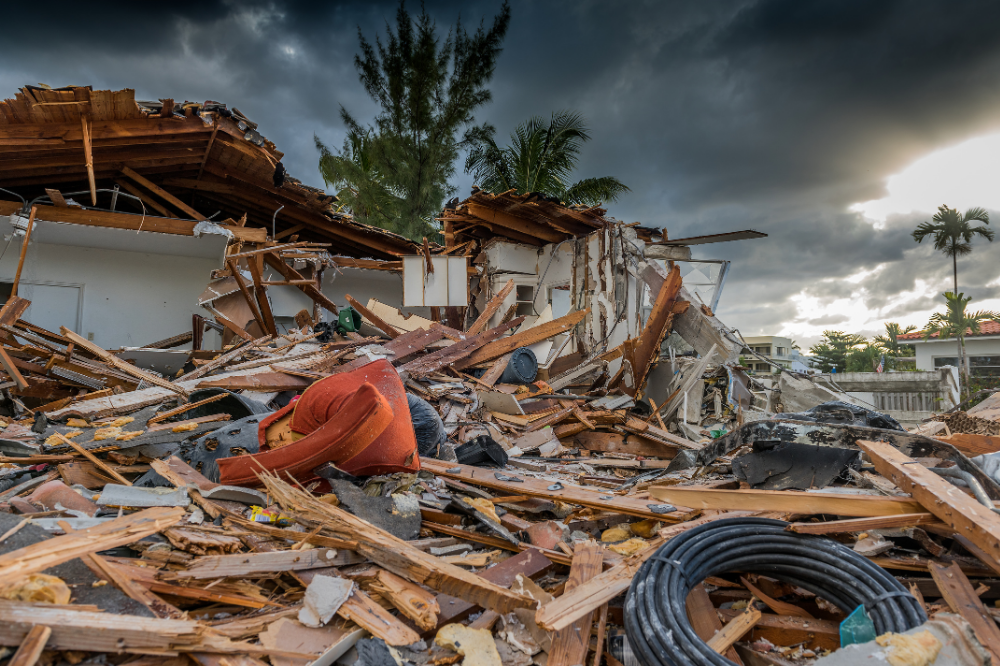
The storm passes. The damage is obvious. And the assumption, reasonably, is that federal help is now available.
It is not, at least not yet. Disaster assistance is switched on by a specific administrative sequence, and understanding that sequence explains most of the delay that homeowners find maddening.
The Chain
Nothing federal happens without a presidential disaster declaration designating which jurisdictions qualify.
Getting there starts on the ground. Florida’s Division of Emergency Management participates in a joint preliminary damage assessment alongside FEMA and local officials, walking affected areas to quantify what was actually lost. Those findings support the state’s request for a declaration.
Only after a declaration is issued, and only in the counties it names, does assistance open.
This is why coverage looks uneven in news reports. A county appearing on one list and not another is usually a function of assessed damage thresholds, not of anyone being forgotten.
Two Programs That Get Confused Constantly
FDEM’s Bureau of Recovery administers several programs. Two matter most after a hurricane, and they serve completely different applicants.
Individual Assistance is the household program. It exists for households facing essential costs and urgent needs that insurance either did not cover or did not cover fully. Applications go through FEMA directly, online at DisasterAssistance.gov, by phone, or in person at a Disaster Recovery Center or mobile intake site once those open.
Public Assistance is not for homeowners at all. It reimburses state and local governments, and certain nonprofits, for debris removal, emergency protective measures, and rebuilding damaged public infrastructure. The federal share covers at least 75 percent of eligible costs. Applications run through a separate state portal.
If your roads and your library get repaired faster than your roof, this is why. They are being funded by a different program with a different applicant.
What Individual Assistance Actually Is
The most common disappointment is expecting it to function like insurance.
It does not. It targets serious unmet need rather than full restoration, and awards are typically far smaller than the cost of real repairs. It is a floor, not a settlement.
Two practical notes. Apply even if you carry insurance, since underinsured losses can still qualify and the program needs your claim information either way. And Disaster Recovery Centers, when they open, are worth visiting in person because multiple agencies staff them at once, including help with replacement identification documents and insurance questions.
The uncomfortable summary is that the assistance system is designed to respond, not to prevent. It arrives after assessment, after declaration, and after your insurer. Everything you do before a storm sits upstream of all of it.